The Failure of Aged Care Services in New Zealand – And What We're Doing About It
Contents
Brightly is reinventing ageing
Ageing is a privilege. But for many New Zealanders, entering our 60s, 70s and beyond brings more anxiety than freedom.
We fear losing our independence or having to leave our homes. We worry about becoming frail, unwell, and reliant on others. Families feel anxious too: unsure what will happen as their parents age. Some feel guilty. Most feel unprepared.
This is not because people are failing to plan. It’s because the system they are entering is not built to support ageing well.
The aged care system is not working
New Zealand’s current public healthcare and aged care systems are under intense pressure, and older people are paying the price.
Independent analysis of healthcare for older adults shows a system that is structurally reactive, fragmented, and increasingly unable to meet demand as our population ages. By 2028, one in five New Zealanders will be over 65, officially making us a “super‑aged” society (Stats NZ, 2022). Yet the way care is funded, delivered, and coordinated has not kept pace with this reality.

Health issues are frequently missed or deprioritised until they become urgent. Preventive care is inconsistently delivered, access is uneven, and responsibility for care is spread across disconnected services.
The consequences are significant:
- Delayed access to primary care: GP shortages mean many practices have closed their books, particularly in rural and high‑need areas. Older adults often wait days or weeks for appointments, undermining early intervention and chronic disease management.
- Long specialist and surgical wait times: Tens of thousands of New Zealanders –many of them older – are waiting beyond clinically recommended timeframes for specialist assessments and elective procedures. These delays lead to worsening pain, disability, and loss of independence.
- Avoidable hospital admissions: When early risks are not identified, people present later and sicker. Emergency departments become the default entry point to care.
- Rapid decline following hospital stays: Even short hospital admissions can trigger loss of mobility, cognition, and confidence in older adults, a phenomenon well documented in geriatric care.
- Aged care bed shortages: Hospitals increasingly house patients who are medically ready for discharge but have nowhere appropriate to go, due to insufficient residential or home‑based care capacity.
Unplanned hospital admissions are particularly damaging for older adults. Many could be prevented if risks or early warning signs were identified sooner, but the current system is not designed to do this well.
Preventing avoidable admissions is one of the most effective ways to slow frailty and functional decline. Ideally, this work begins well before symptoms become obvious.
What the evidence tells us
- A super-aged population without matching capacity. Stats NZ projects that “by 2028, around one million people (20%) will be aged 65 years and over,” officially making New Zealand a super-aged society. Yet a joint Helen Clark Foundation–WSP report warns that, at current build rates, New Zealand faces a shortfall of “around 12,000 aged-care beds by 2032,” signalling that infrastructure is not keeping pace with demographic change. (Stats NZ, 2022; RNZ News, 19 Oct 2025).
- Primary care access is closing off. RNZ News reports that “36% of general practices have closed their books to new patients,” largely due to GP workforce shortages. The General Practice Owners Association notes that underfunding and staffing pressures mean “patients are being pushed into crisis care, including emergency departments, because they can’t get timely access to a GP.” (RNZ News, 29 Jan 2025; GenPro media release, 29 Jan 2025).
- Specialist and surgery wait times are now clinically unsafe. Health NZ data show that “more than 77,000 people were waiting longer than four months for a first specialist assessment” in early 2025, up sharply from mid-2023. An RNZ investigation described an 80-year-old woman who waited “300 days just to see an orthopaedic specialist” and was told surgery could still be years away, leaving her largely house-bound. (Policywise, 2025; RNZ News / NZ Herald, 24 Nov 2024).
- Hospitals are being used as holding zones. RNZ News has documented hospitals caring for older people who are “medically fit for discharge but have nowhere to go,” due to shortages of aged care beds and home support. At North Shore Hospital, an entire ward was reportedly filled with patients who had “no medical reason to be there,” remaining in hospital for weeks or months awaiting placement. (RNZ News, 12 Aug 2025).
- Late intervention costs more and delivers worse outcomes. Treasury analysis shows the government pays an average of “around $235 per resident per day” for aged residential care, compared with “around $1,000 per day” for a hospital bed. Despite this, preventable hospital admissions continue to rise, driven by gaps in primary and community care that leave older people without support until crisis occurs. (New Zealand Treasury, 2024; NZ Initiative, 2023).
It doesn’t have to be this way.
A new way of managing ageing
Brightly is a new way of managing ageing: proactive, personalised, and powered by technology.
Officially launching on 24 February 2026, Brightly is an evidence‑led, whole‑of‑person health service designed specifically for older adults in Aotearoa.
Our purpose is simple: to help people maintain independence, prevent avoidable decline, and age with confidence.
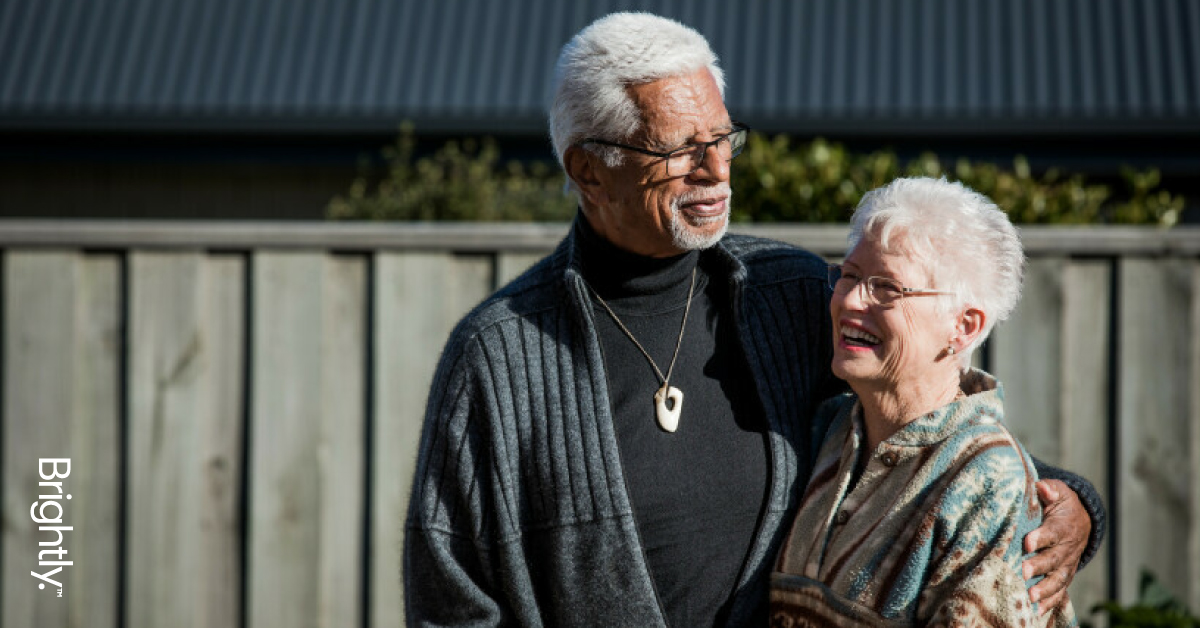
Brightly provides comprehensive assessments and premium health pathways focused on preventive care. Instead of waiting for something to go wrong, we identify risk early and act sooner, supporting better outcomes and reducing pressure on the wider health system.
Designed as a modern health and wellbeing service, Brightly helps older New Zealanders live independently at home for longer by combining clinical expertise with coordinated solutions that:
- Improve health outcomes
- Slow physical and cognitive decline
- Reduce avoidable hospital admissions
- Ease pressure on primary care and hospitals
- Lower overall health costs over time
Prevention changes everything
Too often, the first major intervention an older person receives is an emergency admission. By then, the opportunity for prevention has already passed.
At Brightly, we focus on identifying risk before it becomes crisis, whether that risk relates to mobility, medication, cognition, nutrition, mental wellbeing, or social connection.
Preventive care is not just about adding years to life. It’s about protecting quality of life, dignity, and independence.
Care built around the person
At the centre of Brightly is a multidisciplinary team of around 10 clinicians, led by Dr Manoj Patel.
This team includes leading geriatricians, GPs, nurse practitioners, nurses, and allied health professionals such as pharmacists, occupational therapists, dietitians, psychologists, and physiotherapists.
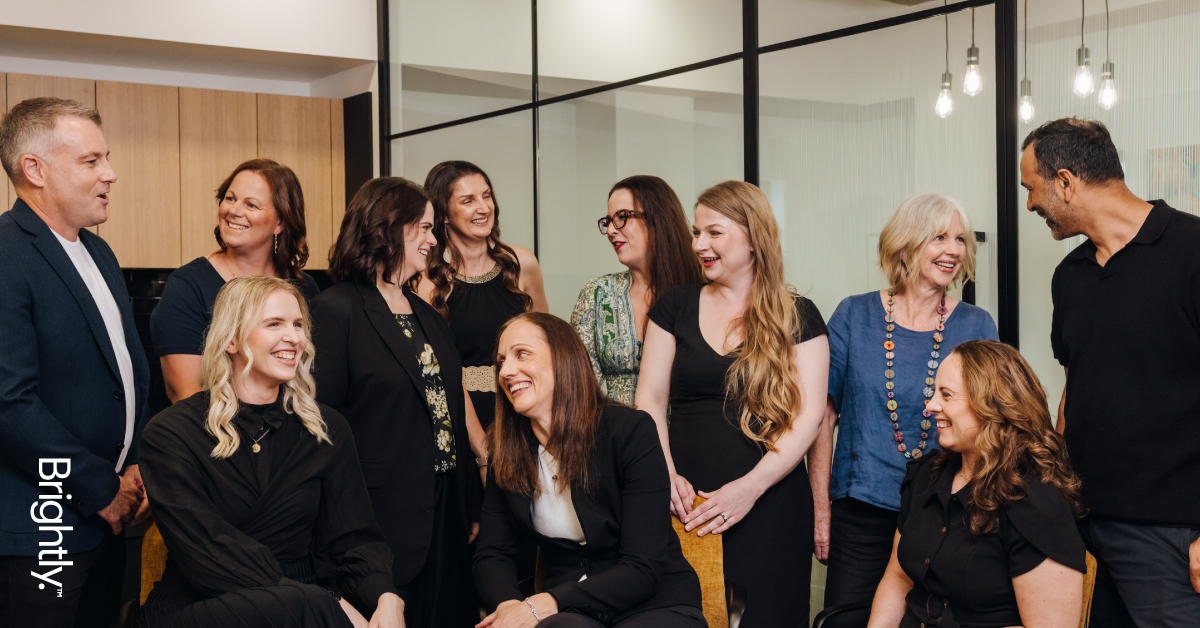
Instead of working in silos, our clinicians share information, discuss risks together, and co‑design a care plan tailored to each individual. Because effective prevention only works when all aspects of health, and life, are considered together.
Designed for modern ageing in New Zealand
Brightly clinics are opening across New Zealand, starting in Auckland within established GP practices. Our services extend beyond co‑located clinics and are available to the wider community, including through remote delivery.
Founded by proven disruptor and entrepreneur Hannah McQueen, Brightly is leading a shift in how we support ageing in Aotearoa: moving beyond traditional aged care to a new era of personalised wellness and connected support.
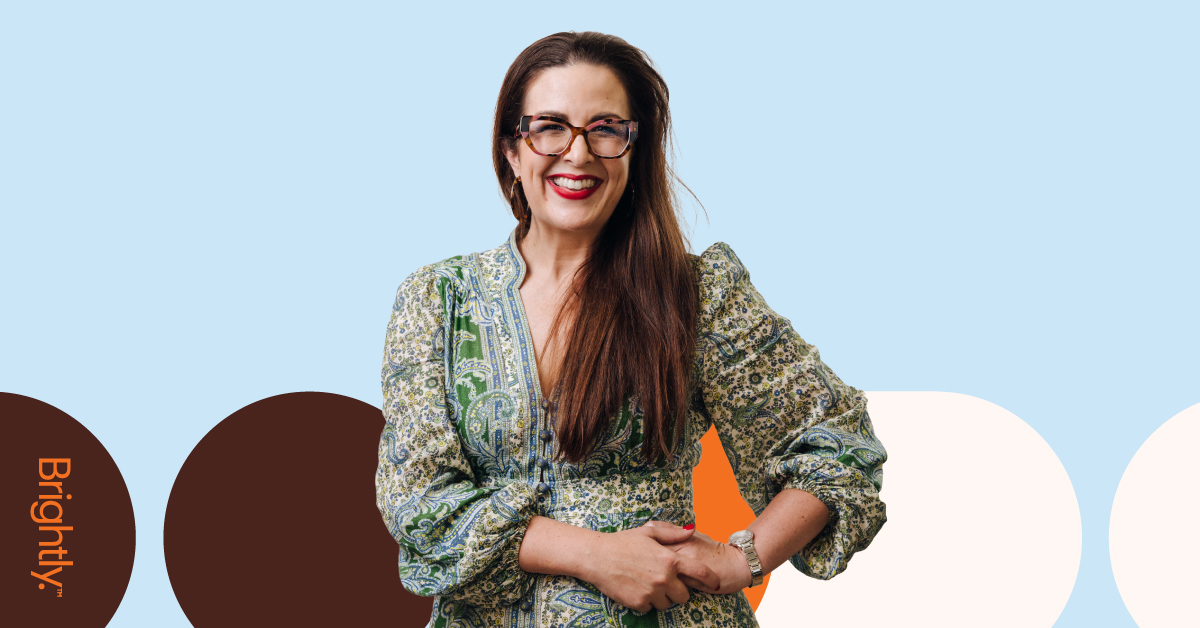
“Ageing is something we all share. Yet too often, the experience of growing older is shaped by avoidable health crises, confusing care pathways, and systems that only step in once something has already gone wrong.
At Brightly, we believe healthy ageing should feel different. It should feel supported, practical, and human. With the right care, at the right time, working together around you. To tackle Aotearoa’s ageing well crisis, we’ve created Brightly to make healthy ageing simpler, more accessible, and more coordinated.”
What comes next
This is only the beginning.
Because ageing well shouldn’t be a privilege for the few. It should be the standard we all expect.