
Biomarkers explained.
The Brightly Baseline uses over 100 measurable data points — drawn from your health history, physical assessments, and blood tests — to build an objective, evidence-informed picture of how well you are ageing today and where risks may be emerging.

WHAT ARE THE BASELINE BIOMARKERS
Biomarkers are objective, measurable indicators of your health.
Some are physical — like grip strength or blood pressure. Some are biochemical — like blood tests for cholesterol or vitamin D. Some are functional — like how well you sleep or how you score on a memory assessment. Together, they reveal a picture of your health that no single test or appointment ever could. Your assessment is personalised to your health profile, with biomarkers included where clinically applicable.
Health history & questionnaires
Your reported symptoms, lifestyle, medications, and family history provide essential context.
Physical assessments
Objective performance measures including grip strength, balance tests, and blood pressure.
Clinical investigations
Blood tests that measure organ function, nutritional status, metabolic health, and more.

Grip strength (dynamometer)
-
Measures: Muscle strength reserve
-
Why it matters: Strong predictor of frailty and mortality
-
Helps prevent: Falls, disability, hospital admissions
Strength & mobility

Standing balance (4-stage test)
-
Measures: Postural stability
-
Why it matters: Balance decline precedes falls
-
Helps prevent: Falls, fractures, loss of confidence
Strength & mobility

Vitamin D (blood)
-
Measures: Bone and neuromuscular function
-
Why it matters: Deficiency increases weakness, falls and fracture risk
-
Helps prevent: Fractures, falls, hospital admissions
*Not routinely included, as testing is not funded for most people. Can be added as a privately funded test on request.
Strength & mobility
Bone & falls
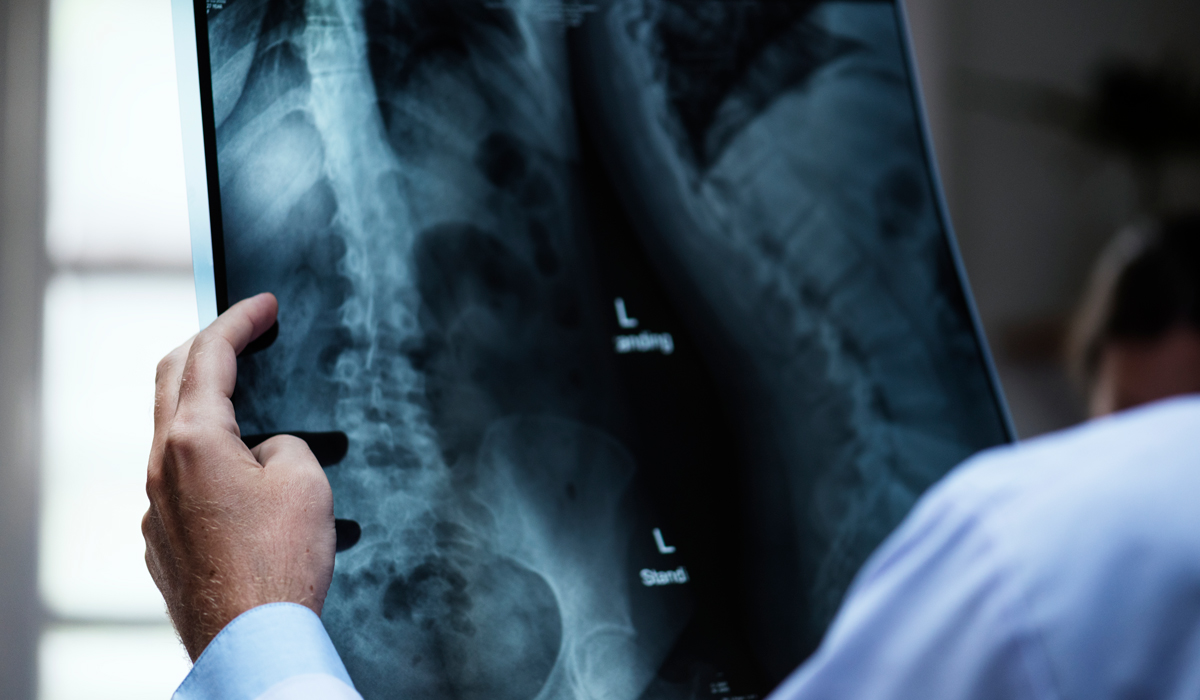
Falls history (past 12 months)
-
Measures: Falls frequency and circumstances
-
Why it matters: A previous fall strongly predicts future falls
-
Helps prevent: Recurrent falls, fractures, admissions
Bone & falls
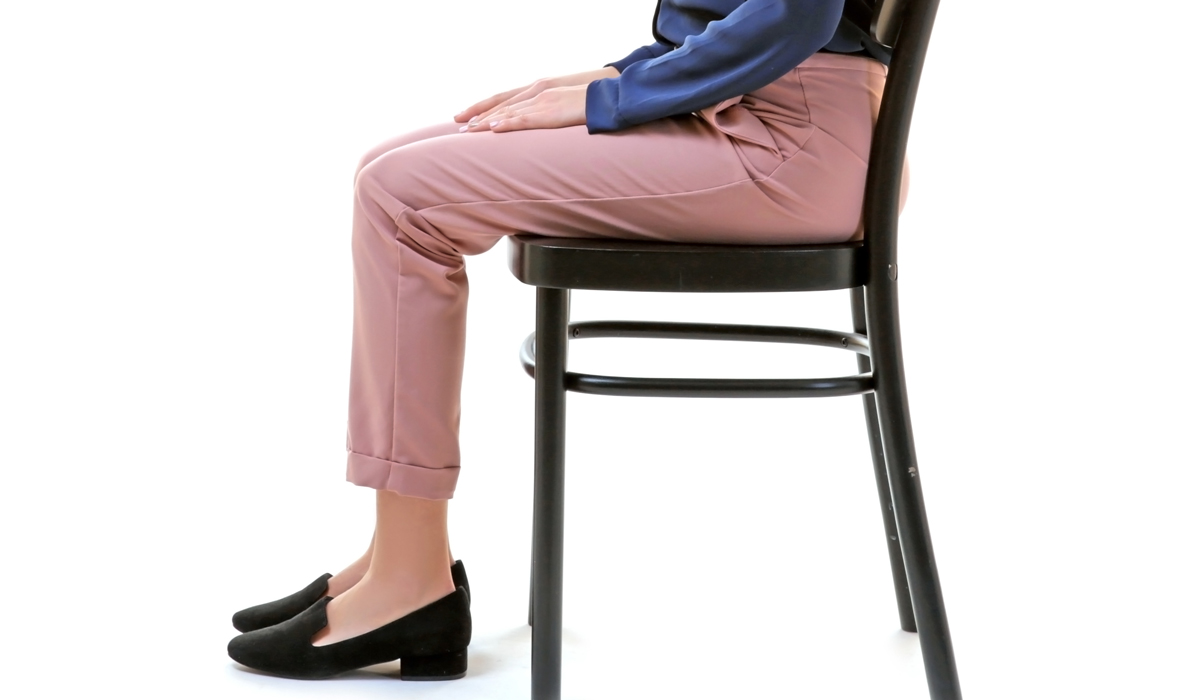
Chair rise test
-
Measures: Functional lower limb strength
-
Why it matters: Difficulty rising links to fall and frailty risk
-
Helps prevent: Mobility loss, early residential care
Bone & falls
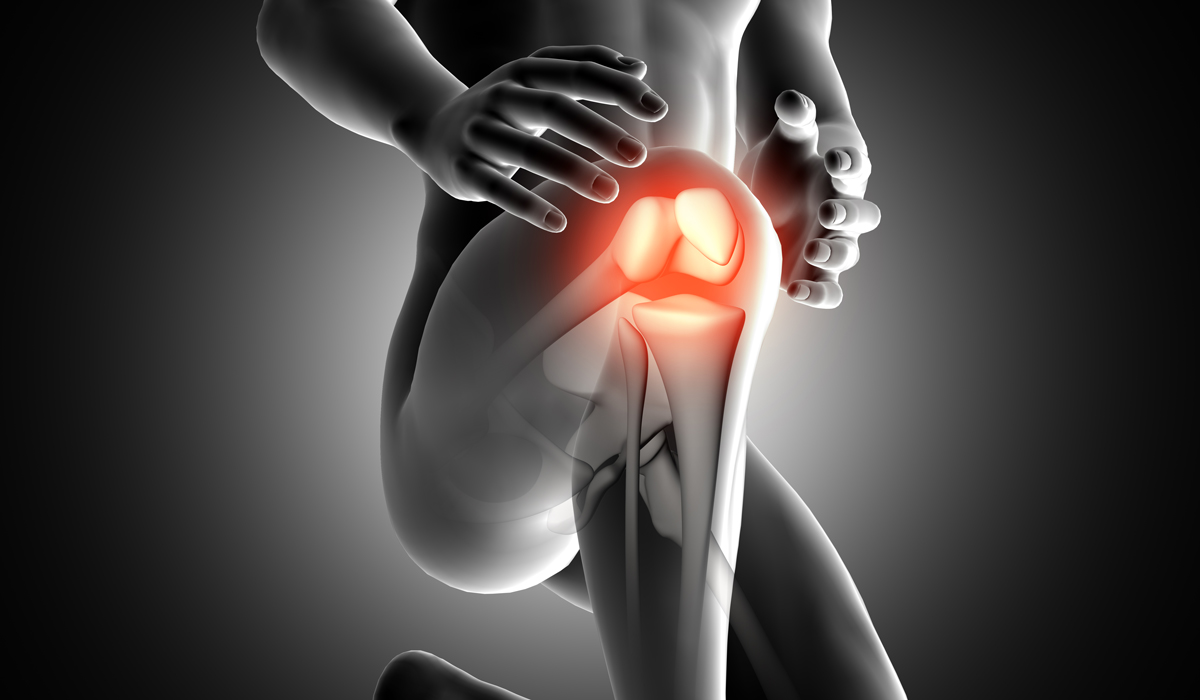
Osteoporosis risk profile
-
Measures: Clinical fracture risk factors
-
Why it matters: Hip and spine fractures drive later-life disability
-
Helps prevent: Fragility fractures, disability
Bone & falls

Serum calcium (blood)
-
Measures: Calcium balance
-
Why it matters: Abnormal levels signal bone weakness
-
Helps prevent: Bone weakness, fracture risk
Bone & falls
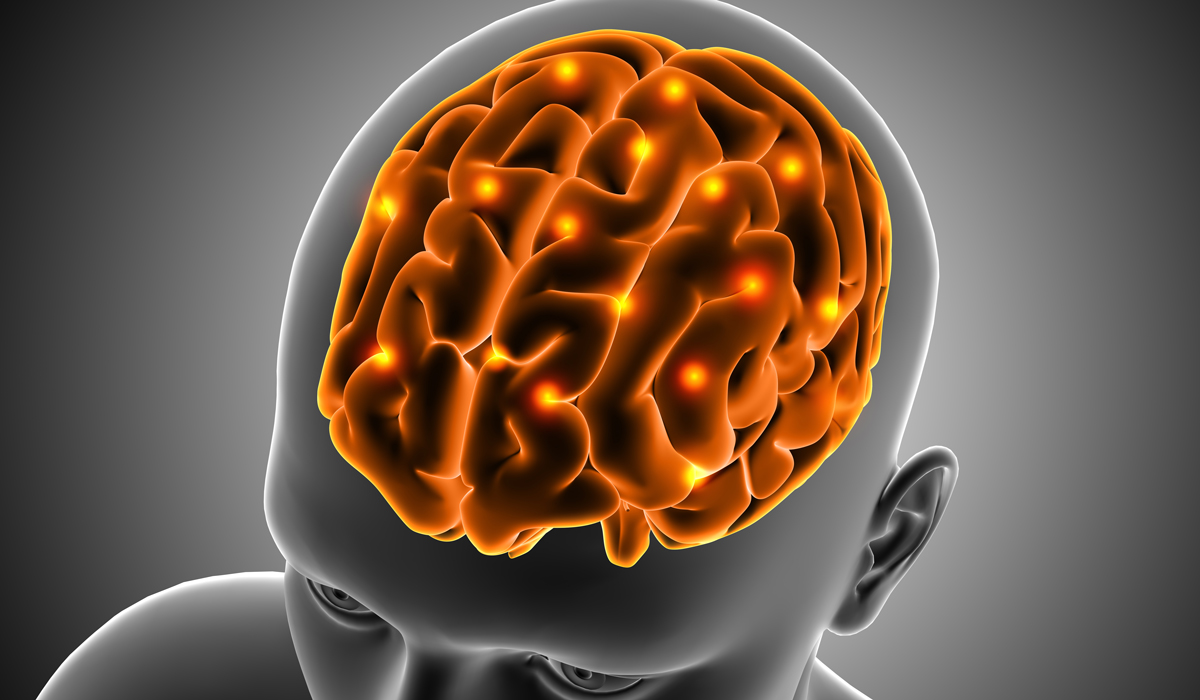
Mini-ACE score
-
Measures: Memory, attention, fluency, visuospatial skills
-
Why it matters: Early changes can affect independence
-
Helps prevent: Medication errors, unsafe driving, delirium risk
Mind health

Functional cognition questions
-
Measures: Real-world day-to-day functioning
-
Why it matters: Functional decline often precedes formal diagnosis
-
Helps prevent: Safety risks at home, financial vulnerability
Mind health
Thyroid stimulating hormone (blood)
-
Measures: Thyroid balance affecting cognition
-
Why it matters: Thyroid dysfunction can present as memory issues
-
Helps prevent: Treatable cognitive symptoms
Mind health

Vitamin B12 (blood)
-
Measures: Nerve and brain health
-
Why it matters: Low B12 can mimic cognitive decline and cause neuropathy
-
Helps prevent: Reversible confusion, falls, cognitive impairment
*Routinely included for clients aged 75+. For those under 75, it can be added as a privately funded test.
Mind health
Nutrition & diet
HbA1c (blood)
-
Measures: Long-term blood sugar exposure
-
Why it matters: Higher levels raise cerebrovascular and cardiovascular risk
-
Helps prevent: Stroke, vascular dementia, diabetes complications
Mind health
Cardiovascular health

Social connection frequency
-
Measures: How often a person connects with others
-
Why it matters: Isolation links to faster decline
-
Helps prevent: Depression, accelerated cognitive decline
Social wellbeing

Loneliness indicator
-
Measures: Felt loneliness regardless of contact
-
Why it matters: A strong predictor of decline
-
Helps prevent: Depression, functional decline
Social wellbeing

Purpose and quality of life
-
Measures: Overall wellbeing trajectory
-
Why it matters: Correlates with resilience and health behaviours
-
Helps prevent: Loss of motivation, reduced activity
Social wellbeing

Sleep quality
-
Measures: Difficulty falling or staying asleep
-
Why it matters: Poor sleep raises falls and mood risk
-
Helps prevent: Falls, hospital admissions
Sleep health

Daytime sleepiness
-
Measures: Daytime alertness and fatigue
-
Why it matters: Affects driving and safety
-
Helps prevent: Accidents, falls, reduced function
Sleep health

Nutritional assessment
-
Measures: Malnutrition risk
-
Why it matters: Malnutrition raises frailty and infection risk
-
Helps prevent: Hospital admissions, infections
Nutrition & diet

Body mass index
-
Measures: Body size relative to height
-
Why it matters: Low or high BMI both raise risk
-
Helps prevent: Frailty, diabetes, heart disease
Nutrition & diet
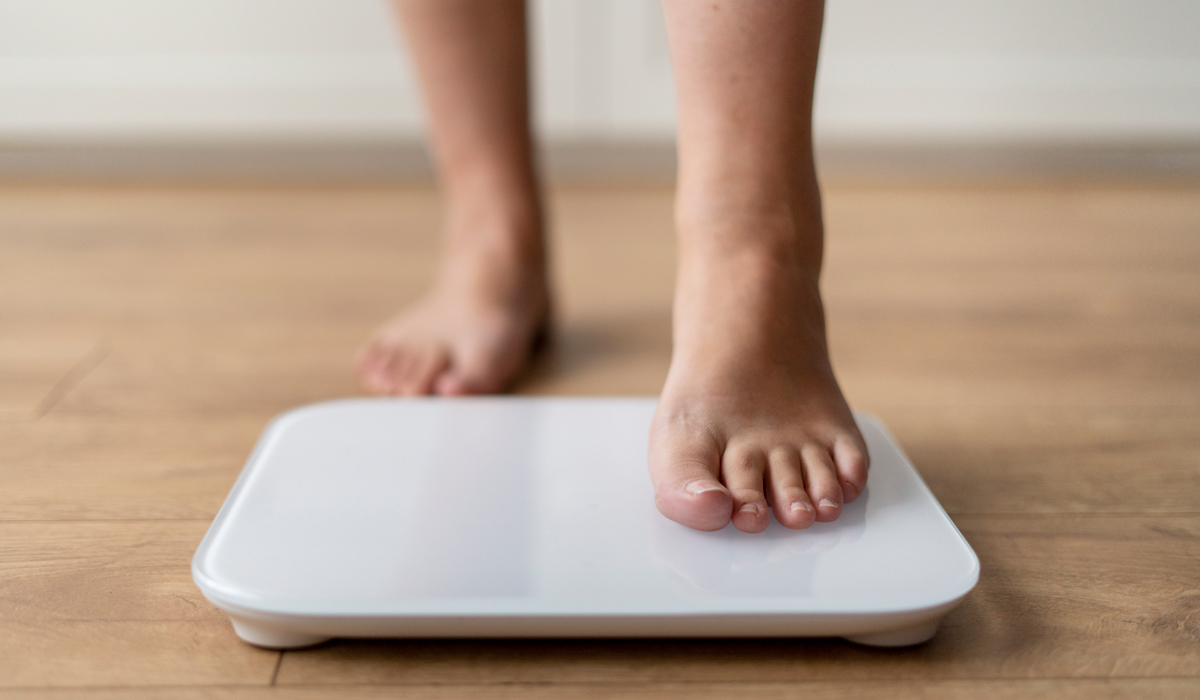
Recent weight loss
-
Measures: Catabolic risk and appetite change
-
Why it matters: Can signal illness, raises frailty risk
-
Helps prevent: Frailty progression, admissions
Nutrition & diet
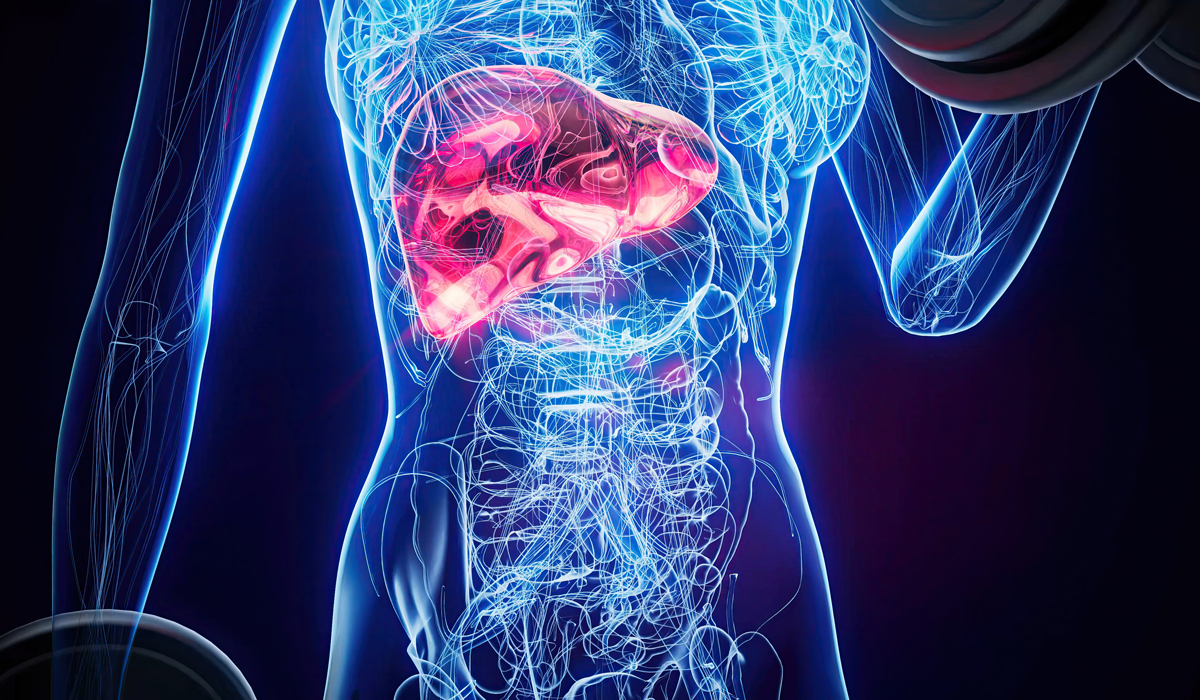
Serum albumin (blood)
-
Measures: Protein reserve and liver function
-
Why it matters: Low levels predict poorer recovery
-
Helps prevent: Hospitalisation risk, delayed recovery
Nutrition & diet

Iron studies (blood)
-
Measures: Iron stores and availability
-
Why it matters: Low status causes fatigue and weakness
-
Helps prevent: Falls risk, functional decline
Nutrition & diet

Folate (blood)
-
Measures: Supports red blood cells and brain
-
Why it matters: Low folate can cause fatigue
-
Helps prevent: Functional decline
Nutrition & diet
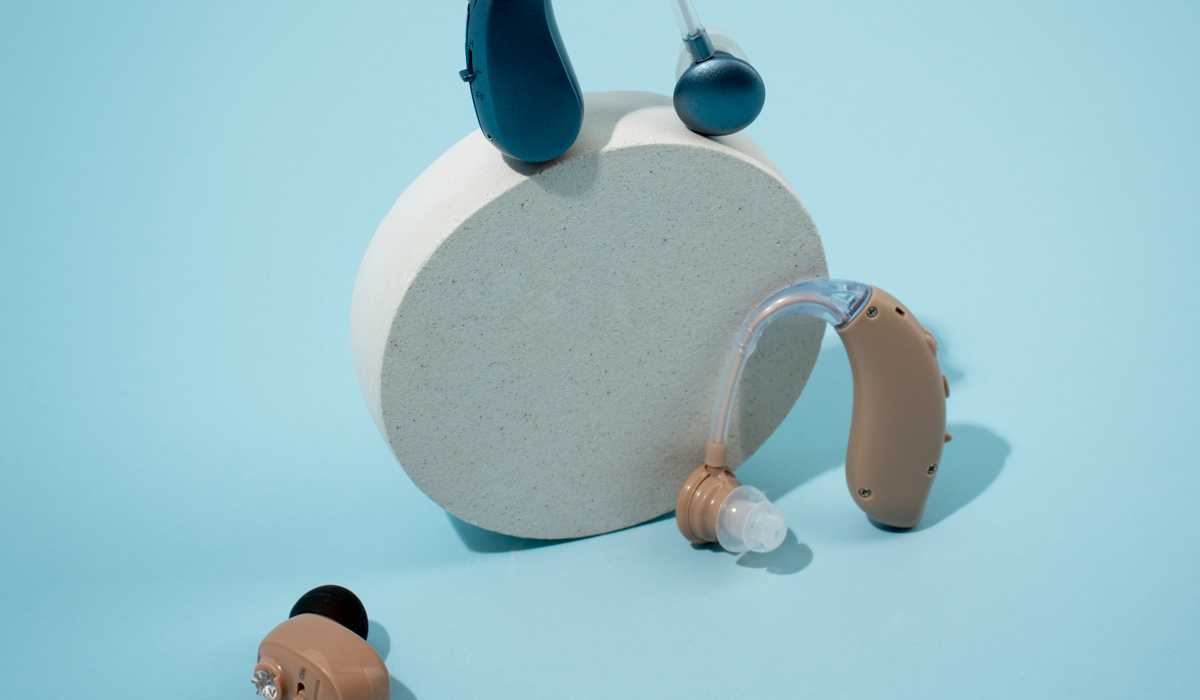
Hearing difficulty
-
Measures: Hearing function in daily life
-
Why it matters: Linked to isolation and cognitive strain
-
Helps prevent: Depression, cognitive decline
Hearing, vision & oral
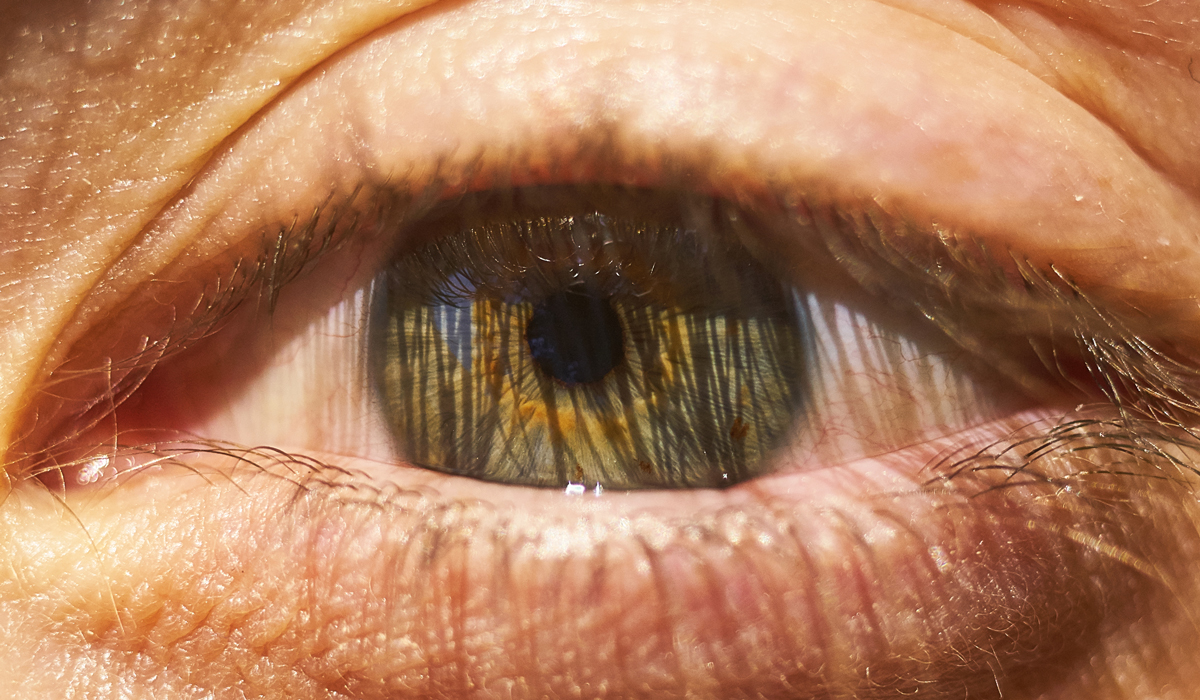
Functional vision questions
-
Measures: Everyday vision capability
-
Why it matters: Predicts medication and safety errors
-
Helps prevent: Medication errors, falls
Hearing, vision & oral

Oral health status
-
Measures: Comfort, chewing, dental access
-
Why it matters: Affects nutrition and infection risk
-
Helps prevent: Weight loss, infections
Hearing, vision & oral

Skin
-
Measures: Skin integrity, pressure areas, and any concerning lesions
-
Why it matters: Skin changes can signal circulation issues, nutritional gaps, or early skin cancer, and are easy to miss without a dedicated check
-
Helps prevent: Pressure injuries, delayed melanoma diagnosis, infected wounds
Hearing, vision & oral

Polypharmacy count
-
Measures: Medication burden
-
Why it matters: More medicines raise side-effect risk
-
Helps prevent: Falls, delirium, admissions
Medication safety
High-risk medication exposure
-
Measures: Sedatives, strong pain medicines
-
Why it matters: Raises falls, confusion and bleeding risk
-
Helps prevent: Falls, delirium, admissions
Medication safety
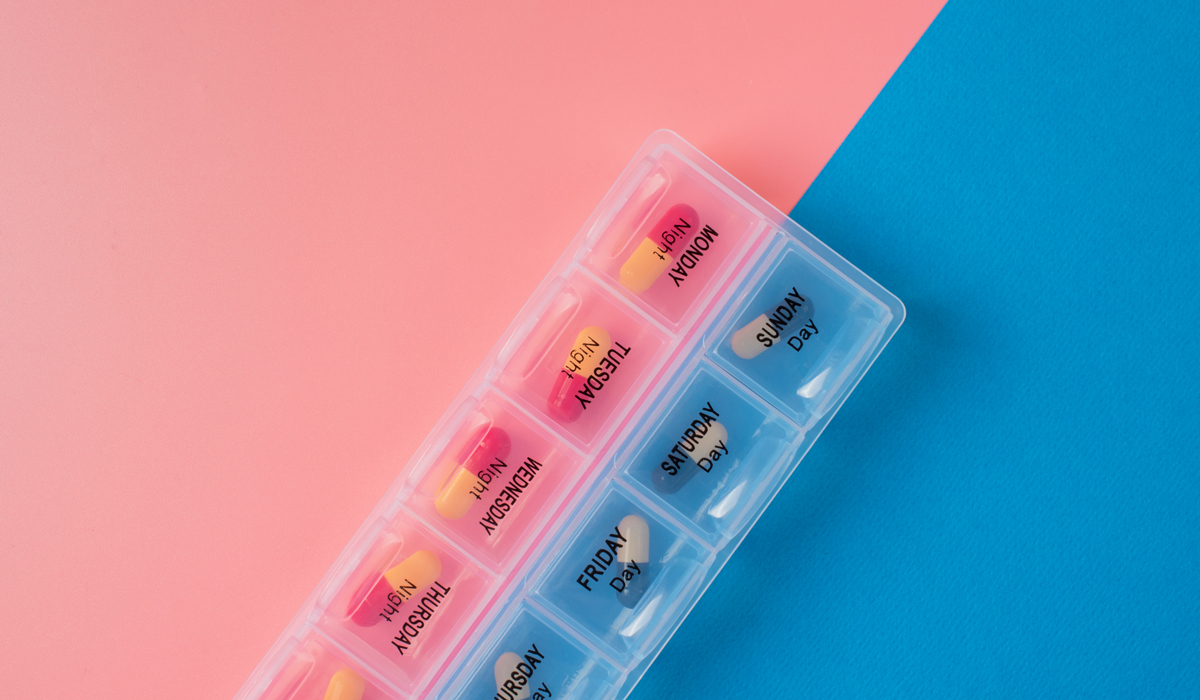
Adherence reliability
-
Measures: Ability to take medicines correctly
-
Why it matters: Missed or double dosing can cause harm
-
Helps prevent: Avoidable admissions, treatment failure
Medication safety

GFR (blood)
-
Measures: Kidney filtration for safe dosing
-
Why it matters: Kidney changes affect medication safety
-
Helps prevent: Drug toxicity, admissions
Medication safety
Creatinine (blood)
-
Measures: Kidney function marker
-
Why it matters: Supports safe prescribing
-
Helps prevent: Drug toxicity
Medication safety
Liver function tests (blood)
-
Measures: Liver enzymes and synthetic function
-
Why it matters: Influences medication metabolism
-
Helps prevent: Medication-related harm
Medication safety
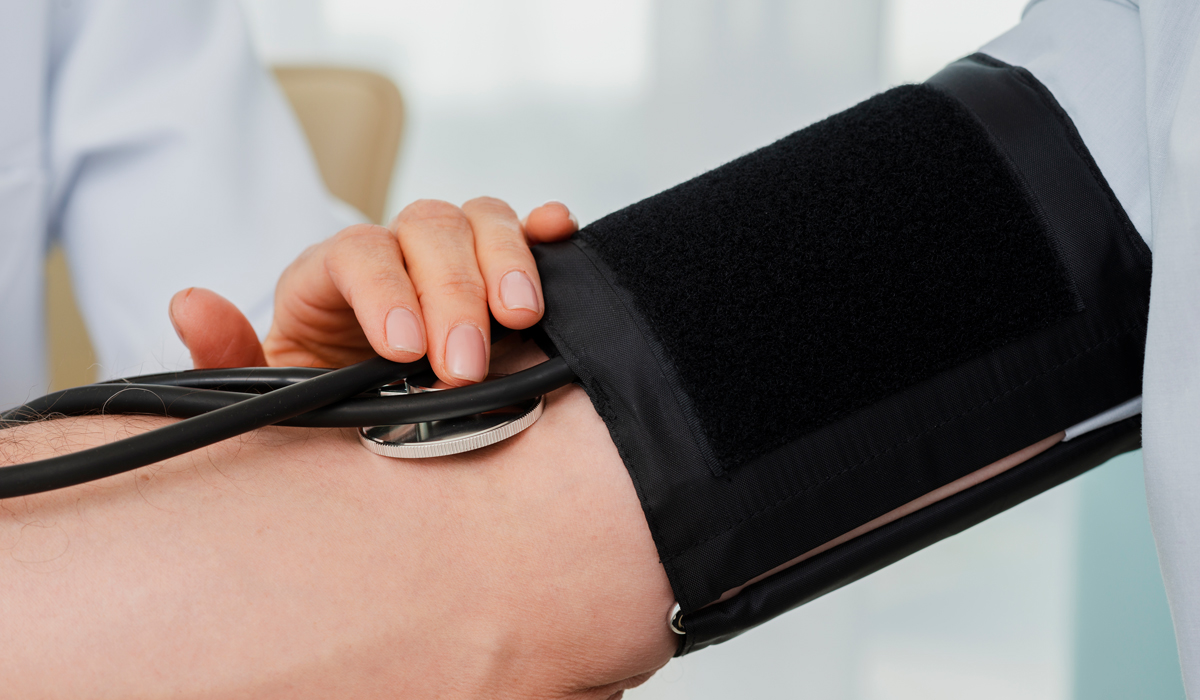
Blood pressure (sitting/standing)
-
Measures: BP control and postural drop
-
Why it matters: Major driver of stroke and falls
-
Helps prevent: Stroke, fainting, admissions
Cardiovascular health
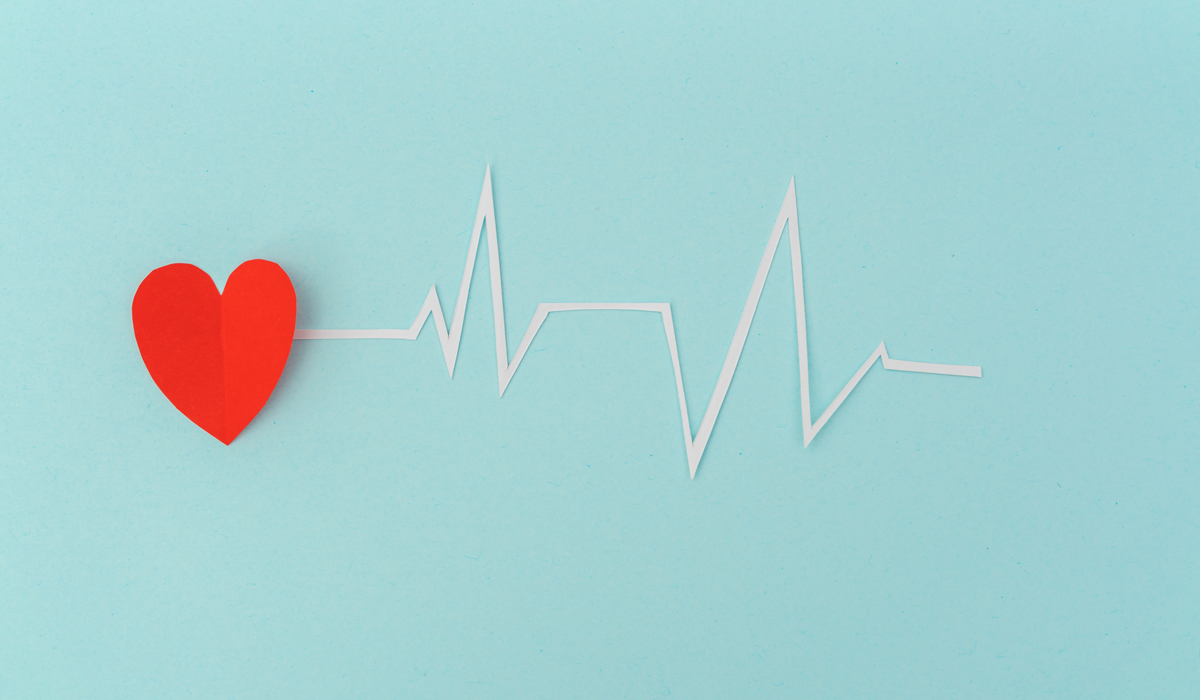
Pulse rate and rhythm
-
Measures: Heart rate and rhythm regularity
-
Why it matters: Irregularity can indicate atrial fibrillation
-
Helps prevent: Stroke, heart failure
Cardiovascular health
Total cholesterol (blood)
-
Measures: Overall cholesterol level
-
Why it matters: Contributes to plaque build-up
-
Helps prevent: Heart attack, stroke
Cardiovascular health
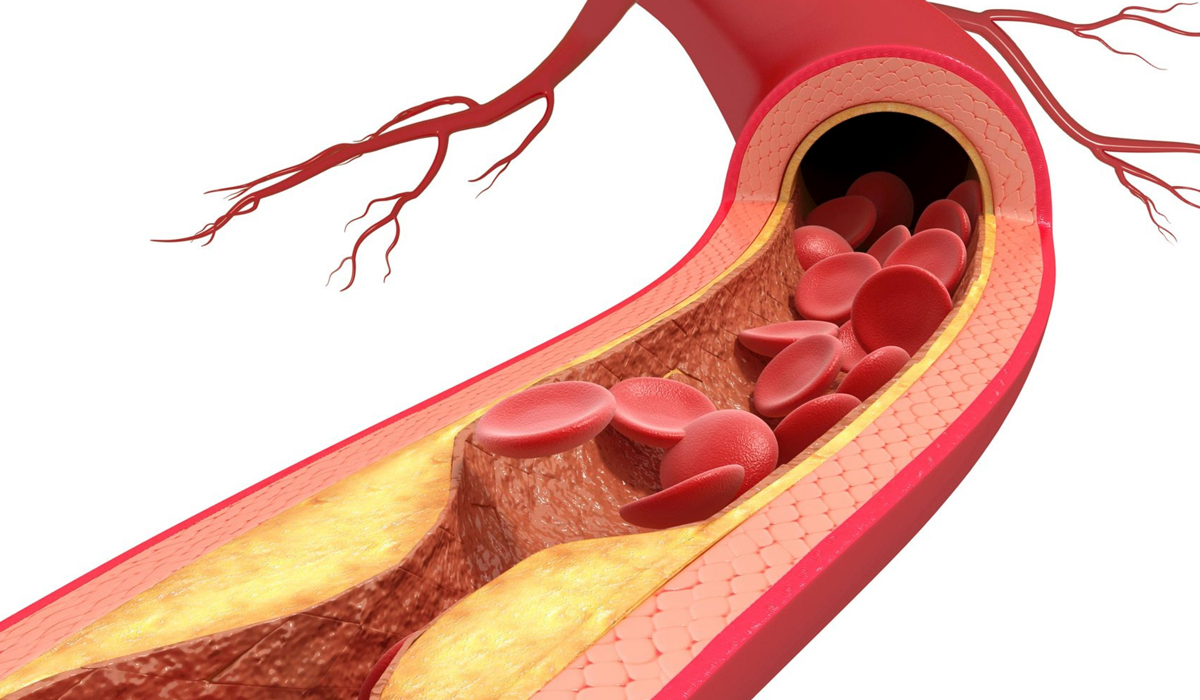
LDL cholesterol (blood)
-
Measures: "Bad" cholesterol
-
Why it matters: Key driver of atherosclerosis
-
Helps prevent: Heart attack, stroke
Cardiovascular health
HDL cholesterol (blood)
-
Measures: "Good" cholesterol
-
Why it matters: Low levels raise risk
-
Helps prevent: Vascular events
Cardiovascular health
Triglycerides (blood)
-
Measures: Blood fat linked to insulin resistance
-
Why it matters: Elevated levels raise cardiometabolic risk
-
Helps prevent: Vascular events
Cardiovascular health
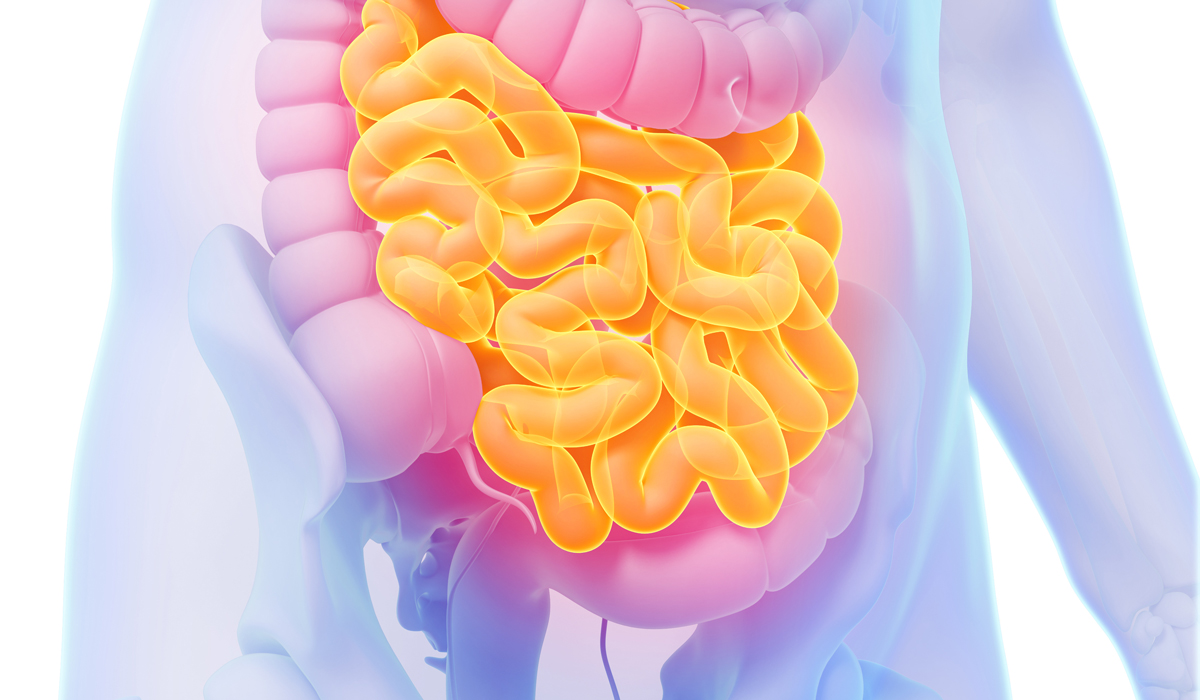
Bowel function pattern
-
Measures: Constipation or diarrhoea pattern
-
Why it matters: Affects comfort, appetite, sleep, bladder
-
Helps prevent: Delirium, avoidable admissions
Bowel health

Blood in stool / habit change
-
Measures: Warning symptoms for bowel disease
-
Why it matters: Early identification improves outcomes
-
Helps prevent: Advanced disease, delayed diagnosis
Bowel health
Faecal incontinence
-
Measures: Bowel control and quality of life
-
Why it matters: A major driver of social withdrawal
-
Helps prevent: Loss of independence, early care
Bowel health
Urinary symptoms (women)
-
Measures: Leakage frequency, type and bother
-
Why it matters: Raises falls risk and withdrawal
-
Helps prevent: Falls, sleep disruption
Urinary health
Urinary symptoms (men)
-
Measures: Flow and night-time urination
-
Why it matters: Nocturia contributes to falls and fatigue
-
Helps prevent: Falls, functional decline
Urinary health

Pad use (24 hours)
-
Measures: Practical severity marker
-
Why it matters: Quantifies impact and support need
-
Helps prevent: Skin irritation, social withdrawal
Urinary health
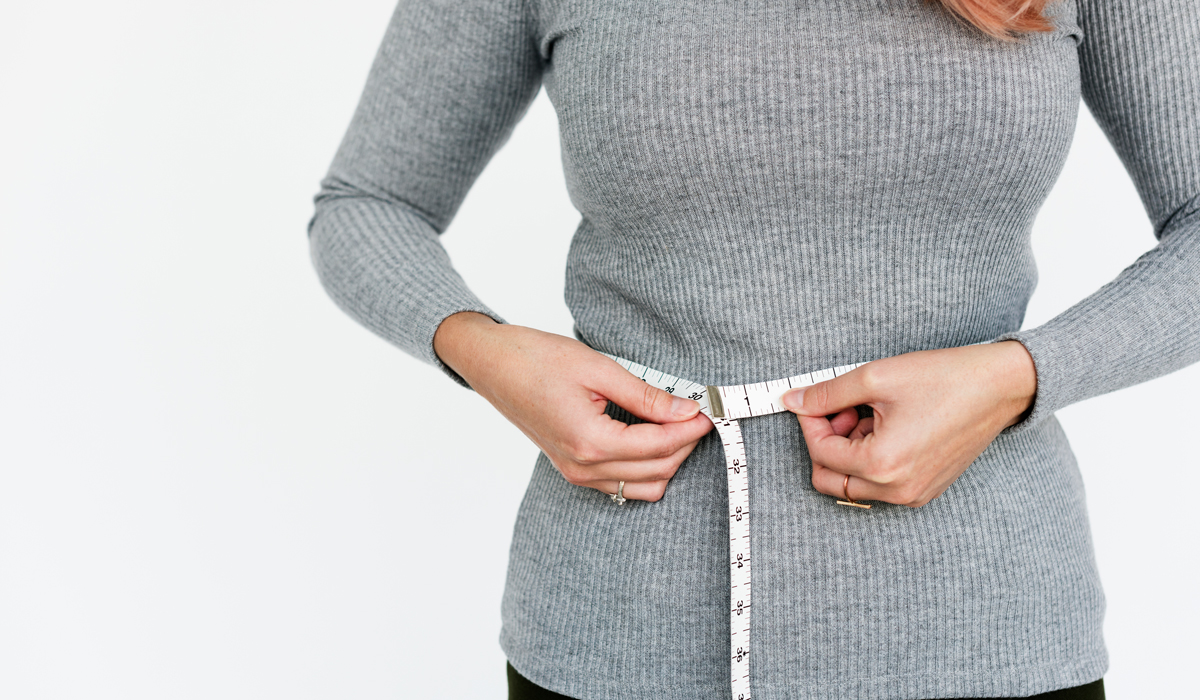
Waist circumference
-
Measures: Central (abdominal) fat distribution
-
Why it matters: Waist circumference is a stronger predictor of cardiometabolic risk than weight alone, since fat carried around the middle raises inflammation and insulin resistance
-
Helps prevent: Diabetes, heart disease, stroke
Cardiovascular health
Nutrition & diet
Pain severity and impact
-
Measures: Pain burden and functional limitation
-
Why it matters: Drives inactivity, frailty, mood decline
-
Helps prevent: Mobility loss, falls, admissions
Pain (arthritis)
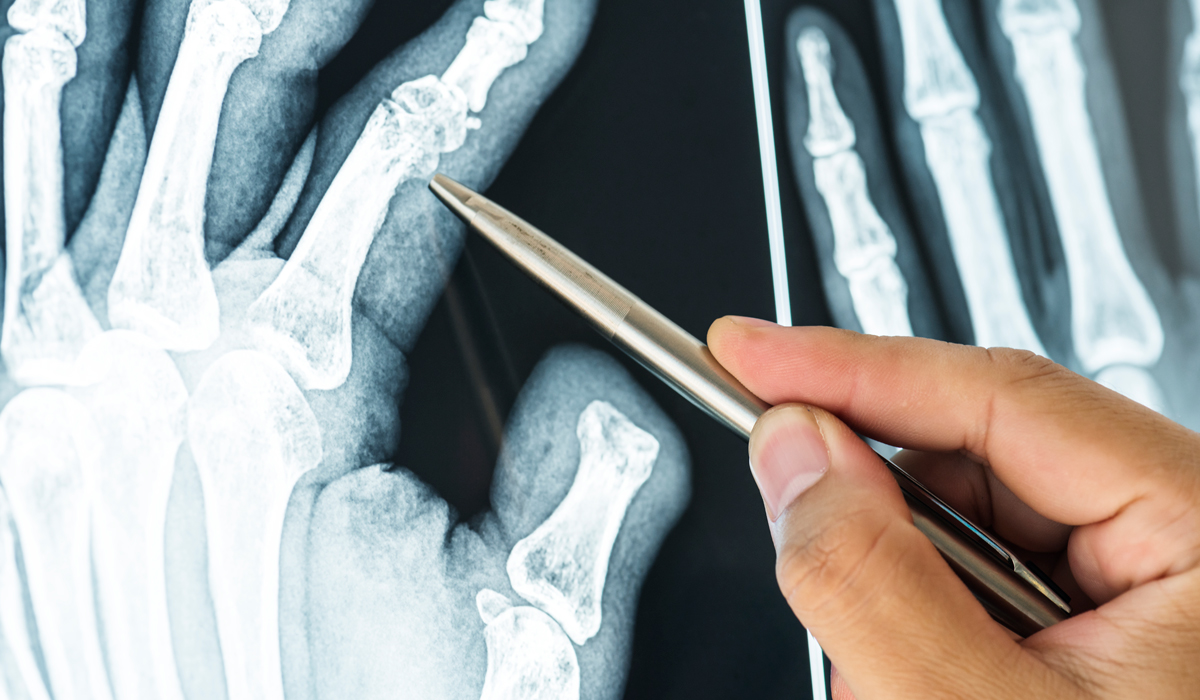
Morning stiffness pattern
-
Measures: Inflammatory vs mechanical pain signals
-
Why it matters: Needs early ID to prevent joint damage
-
Helps prevent: Progressive joint damage, disability
Pain (arthritis)

Driving exposure and pattern
-
Measures: Frequency and complexity of driving
-
Why it matters: Higher exposure raises risk if function declines
-
Helps prevent: Accidents, licence crisis
Safe driving

Driving concerns and near-misses
-
Measures: Perceived safety and warning signs
-
Why it matters: Concerns often precede incidents
-
Helps prevent: Accidents, injury admissions
Safe driving
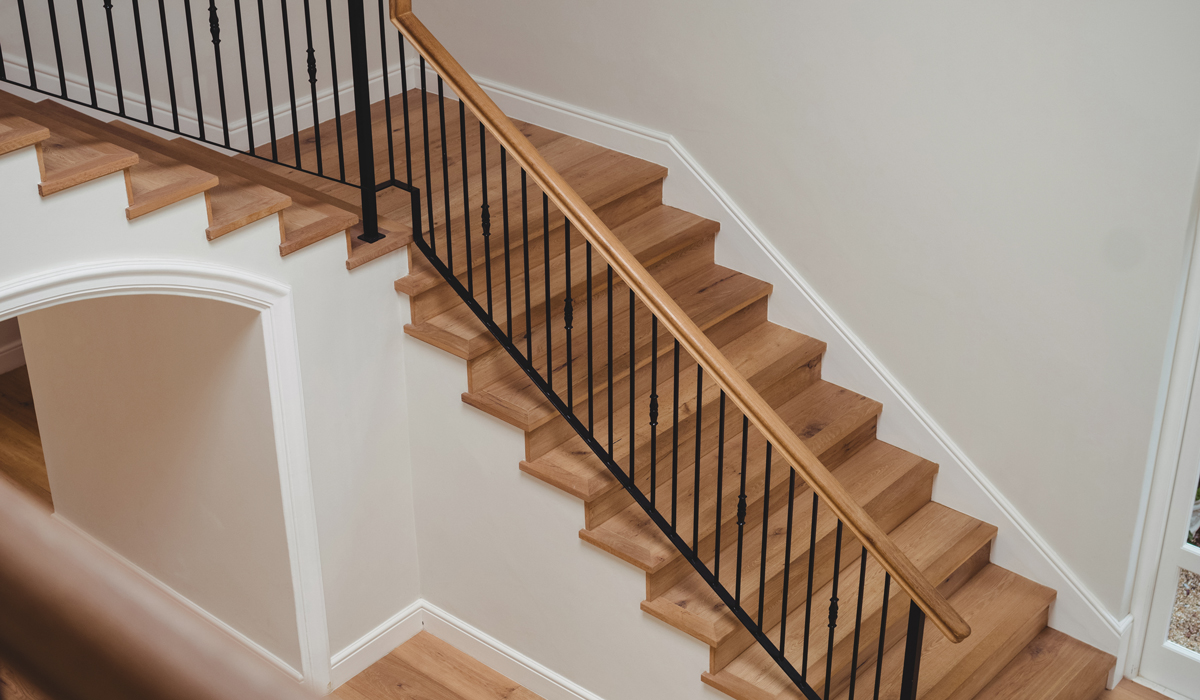
Home safety
-
Measures: Environmental fall and safety hazards
-
Why it matters: A common, modifiable fall contributor
-
Helps prevent: Falls, fractures, admissions
Home safety

Legal preparedness
-
Measures: Whether enduring powers of attorney and a will are in place and up to date
-
Why it matters: Without these documents, a sudden illness or loss of capacity can leave family unable to make decisions or access accounts on someone's behalf
-
Helps prevent: Family disputes, delayed medical decisions, assets frozen during a crisis
Legal

Financial security
-
Measures: Financial planning status, including day-to-day money management and vulnerability to scams
-
Why it matters: Financial capability often declines quietly, and older adults are disproportionately targeted by scams and financial abuse
-
Helps prevent: Financial exploitation, unpaid bills or missed payments, unplanned reliance on family
Financial

Alcohol use
-
Measures: Frequency and quantity of alcohol consumption
-
Why it matters: Alcohol tolerance changes with age, and it interacts with many common medications and increases fall and cognitive risk
-
Helps prevent: Falls, medication interactions, liver strain, cognitive impairment
Alcohol
BASELINE BIOMARKERS
Select a domain to see its biomarkers
Strength, Mobility & Balance
Biomarker |
What it measures |
Why it matters |
What this may help prevent |
|
Grip strength (dynamometer) |
Muscle strength reserve |
Strong predictor of frailty and mortality |
Falls, disability, hospital admissions, early need for rest home care |
|
Standing balance (4-stage test) |
Postural stability |
Balance decline precedes falls |
Falls, low impact (osteoporotic) fractures, emergency presentations, loss of confidence |
|
Vitamin D (blood) |
Bone and neuromuscular function |
Deficiency increases weakness and falls |
Fractures, falls, hospital admissions |
Bone Health & Falls Risk
Biomarker |
What it measures |
Why it matters |
What this may help prevent |
|
Falls history (past 12 months) |
Falls frequency and circumstances |
A previous fall strongly predicts future falls and injury |
Recurrent falls, fractures, hospital admissions |
|
Chair rise test (standing without hands) |
Functional lower limb strength |
Difficulty rising is linked to higher fall, fracture and frailty risk |
Mobility loss, increasing dependence, early residential care |
|
Osteoporosis risk profile (risk factors and history) |
Clinical fracture risk (e.g., prior fracture, steroid exposure, family history) |
Hip and spine fractures are major drivers of disability in later life |
Fragility fractures, long-term disability, residential care entry |
|
Vitamin D (blood test) |
Bone and muscle support |
Deficiency increases falls and fracture risk |
Fragility fractures, recurrent falls |
|
Serum calcium (blood test) |
Calcium balance |
Abnormal levels may signal metabolic contributors to bone weakness |
Bone weakness, fracture risk |
Mind Health (Cognition & Memory)
Biomarker |
What it measures |
Why it matters |
What this may help prevent |
|
Mini-Addenbrooke’s Cognitive Examination (Mini-ACE) score |
Cognitive performance across memory, attention, fluency and visuospatial skills |
Early cognitive changes may impact independence and daily function |
Medication errors, unsafe driving, financial vulnerability, avoidable hospital admissions and delirium during acute illness or hospital admission |
|
Functional cognition questions (impact on hobbies, daily tasks, family feedback) |
Real-world cognition and day-to-day functioning |
Functional decline often appears before formal diagnosis |
Safety risks at home, financial vulnerability |
|
Vitamin B12 (blood test) |
Nerve and brain health |
Low B12 can mimic cognitive decline and cause neuropathy |
Reversible confusion, falls from neuropathy |
|
Thyroid stimulating hormone (TSH) (blood test) |
Thyroid balance affecting energy and cognition |
Thyroid dysfunction can present as memory issues |
Treatable cognitive symptoms |
|
Glycated haemoglobin (HbA1c) (blood test) |
Long-term blood sugar exposure |
Higher levels increase cardiovascular and cerebrovascular risk |
Stroke and vascular dementia |
Social Wellbeing
Biomarker |
What it measures |
Why it matters |
What this may help prevent |
|
Social connection frequency (contact pattern) |
How often a person connects with others |
Isolation is linked to poorer health outcomes and faster decline |
Depression, accelerated cognitive decline, avoidable admissions |
|
Loneliness Indicator |
How lonely a person feels regardless of contacts |
Loneliness is a strong predictor of decline |
Depression, functional decline, early residential care |
|
Purpose and Quality of Life Indicator |
Overall wellbeing trajectory |
Purpose and wellbeing correlate with resilience and health behaviours |
Loss of motivation, reduced activity, decline |
Sleep
Biomarker |
What it measures |
Why it matters |
What this may help prevent |
|
Sleep quality |
Difficulty falling or staying asleep |
Poor sleep and sedative medications increase falls risk, mood symptoms and cognitive strain |
Falls, hospital admissions, daytime impairment |
|
Daytime sleepiness |
Daytime alertness and fatigue |
Daytime sleepiness affects driving and safety |
Accidents, falls, reduced function |
Nutrition & Diet
Biomarker |
What it measures |
Why it matters |
What this may help prevent |
|
Nutritional Assessment |
Malnutrition risk |
Malnutrition increases frailty, infection risk and poor recovery |
Hospital admissions, infections, early residential care |
|
Body mass index (BMI) |
Body size relative to height |
Both low BMI and high BMI increase health risk in ageing |
Frailty, diabetes, heart disease |
|
Recent weight loss / reduced intake |
Catabolic risk and appetite change |
Unintentional weight loss can signal illness and increases frailty risk |
Frailty progression, hospital admissions |
|
Serum albumin (blood test) |
Protein reserve and illness burden and liver synthetic function |
Low levels predict poorer recovery and resilience |
Hospitalisation risk, delayed recovery |
|
Iron studies (blood test: ferritin, transferrin saturation and iron) |
Iron stores and availability |
Low iron status contributes to fatigue, weakness and reduced exercise tolerance |
Falls risk, functional decline |
|
Folate (blood test) |
Nutrient supporting red blood cells and brain |
Low folate can contribute to fatigue and cognitive symptoms |
Functional decline |
|
Vitamin B12 (blood test) |
Nerve and brain health |
Deficiency can cause neuropathy and cognitive symptoms |
Falls (via neuropathy), cognitive impairment |
Hearing, Vision & Oral Health
Biomarker |
What it measures |
Why it matters |
What this may help prevent |
|
Hearing difficulty |
Hearing function in daily life |
Hearing loss is linked to isolation and cognitive strain |
Depression, cognitive decline, safety issues |
|
Snellen visual acuity test |
Distance vision clarity |
Vision loss increases falls and driving risk |
Falls, driving accidents |
|
Functional vision questions |
Everyday vision capability |
Functional impairment predicts medication and safety errors |
Medication errors, falls |
|
Oral health status (pain, dentures fit, last dental visit) |
Oral comfort, chewing and dental care access |
Oral health affects nutrition and infection risk |
Weight loss, infections, poor nutrition |
Medication Optimisation & Safety
Biomarker |
What it measures |
Why it matters |
What this may help prevent |
|
Polypharmacy count (regular medicines) |
Medication burden |
Higher medication burden increases side effects and interactions |
Falls, delirium, avoidable hospital admissions |
|
High-risk medication exposure (e.g., sedatives, strong pain medicines) |
Medication-related harm risk |
Certain medicines increase falls, confusion and bleeding risk |
Falls, delirium, admissions to hospital and residential care |
|
Adherence and medication system reliability |
Ability to take medicines correctly |
Missed doses or double dosing can cause harm or deterioration |
Avoidable admissions, treatment failure |
|
Glomerular Filtration Rate (GFR) (blood test) |
Kidney filtration for safe dosing |
Kidney function changes with age and affects medication safety |
Drug toxicity, hospital admissions |
|
Creatinine (blood test) |
Kidney function marker used to calculate eGFR |
Supports safe prescribing |
Drug toxicity |
|
Liver function tests (ALT, AST, GGT, Albumin) (blood test) |
Liver enzymes and synthetic function |
Liver function influences medication metabolism and overall health |
Medication-related harm, broader health risk |
Cardiovascular & Respiratory Health
Biomarker |
What it measures |
Why it matters |
What this may help prevent |
|
Blood pressure (lying and standing) |
Blood pressure control and postural drop |
Major driver of stroke and dizziness-related falls |
Stroke, fainting (syncope), hospital admissions |
|
Pulse rate and rhythm check |
Heart rate and rhythm regularity |
Irregular rhythm can indicate atrial fibrillation (AF) |
Stroke, heart failure exacerbations |
|
Glycated haemoglobin (HbA1c) (blood test) |
Long-term glucose exposure |
Higher levels accelerate vascular ageing |
Diabetes complications, vascular events |
|
Total cholesterol (blood test) |
Overall cholesterol level |
High levels contribute to plaque build-up |
Heart attack, stroke |
|
Low-density lipoprotein cholesterol (LDL) (blood test) |
“Bad” cholesterol |
Key driver of atherosclerosis |
Heart attack, stroke |
|
High-density lipoprotein cholesterol (HDL) (blood test) |
“Good” cholesterol |
Low levels associated with higher risk |
Vascular events |
|
Triglycerides (blood test) |
Blood fat linked to insulin resistance |
Elevated levels increase cardiometabolic risk |
Vascular events |
Bowel Health
Biomarker |
What it measures |
Why it matters |
What this may help prevent |
|
Bowel function pattern (frequency, stool form, straining) |
Constipation/diarrhoea pattern and severity |
Bowel issues impact comfort, appetite, sleep and function, urinary function. |
Delirium from constipation, avoidable hospital admissions, bladder dysfunction |
|
Blood in stool or change in bowel habit (red flags) |
Warning symptoms for bowel disease |
Early identification improves outcomes |
Advanced bowel disease, delayed diagnosis |
|
Faecal incontinence frequency and impact |
Bowel control and quality-of-life impact |
Major driver of social withdrawal and care needs |
Loss of independence, early residential care |
Urinary Health
Biomarker |
What it measures |
Why it matters |
What this may help prevent |
|
Urinary symptoms (women: leakage frequency/type and bother) |
Bladder control and symptom impact |
Incontinence increases falls risk and social withdrawal |
Falls, sleep disruption, depression |
|
Urinary symptoms (men: lower urinary tract symptoms and nocturia) |
Flow and night-time urination burden |
Nocturia contributes to falls and daytime fatigue |
Falls, functional decline related to poor sleep |
|
Pad use (24 hours) |
Practical severity marker |
Helps quantify impact and need for support |
Skin irritation, social withdrawal |
Pain (Arthritis)
Biomarker |
What it measures |
Why it matters |
What this may help prevent |
|
Pain severity and impact assessment |
Pain burden and functional limitation |
Persistent pain drives inactivity, frailty and mood decline |
Mobility loss, falls, avoidable admissions |
|
Morning stiffness duration and pattern |
Inflammatory vs mechanical pain signals |
Inflammatory arthritis needs early identification to prevent joint damage |
Progressive joint damage, disability |
Safe Driving
Biomarker |
What it measures |
Why it matters |
What this may help prevent |
|
Driving exposure and pattern (how often, where, day/night) |
Driving frequency and complexity |
Higher exposure increases risk if function declines |
Accidents, injury, loss of licence crisis |
|
Driving concerns (self and family) and near-misses |
Perceived safety and recent warning signs |
Concerns often precede incidents |
Accidents, injury-related admissions |
Home & Environmental Safety
Biomarker |
What it measures |
Why it matters |
What this may help prevent |
|
Home safety |
Environmental fall and safety hazards |
Home hazards are a common, modifiable contributor to falls |
Falls, fractures, hospital admissions |